


Eyes of Pride, Cascade of Feathers: Peacocks in Symmetry Across Asia
This talk is free. Registration (with $10 refundable deposit) is required.
Click here to register
From the medieval Islamic world to early modern South Asia, peacocks often appear in paired, symmetrical forms, carrying layered symbolic meanings. This talk explores such imagery across time and place, from the legendary Peacock Throne commissioned by the Mughal emperor Shah Jahan (r. 1628–58) to the Japanese-inspired Peacock Room (1877) by American artist James McNeill Whistler.
Structured in three parts – medieval West Asia, early modern South Asia, and the present – the talk traces the manifold ways in which the peacock has embodied ideas of pride, beauty, and grace. It considers how these associations have been reinterpreted across different cultural contexts, including in contemporary visual culture.
This talk is organised in conjunction with Peacock Power: Beauty and Symbolism Across Cultures, on view at the Peranakan Museum until 30 August 2026.
About the speaker
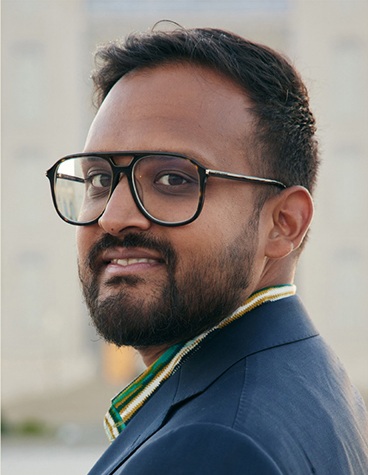
Vivek Gupta is an art historian and British Academy Postdoctoral Fellow at University College London (2023–26). His research focuses on the art and architecture of medieval and early modern South Asia and the broader Islamic and Indian Ocean worlds. He has written about transregional circulation, cultural exchange, intersections between art and science, and transmediality. He is the author of Wonders of Hindustan: Artists and Books in the Early Modern World (UCL Press) and curator of A Mughal Songbook: Art, Music, and Empire at the Fitzwilliam Museum, Cambridge.
About the moderator

Diane Chee is curator (Peranakan) at the Asian Civilisations Museum and the Peranakan Museum. She worked on the revamp of the Peranakan Museum’s permanent galleries in 2023 and curated the special exhibition Peacock Power: Beauty and Symbolism Across Cultures. Her current research focuses on expressions of Peranakan identity and intangible cultural heritage across Southeast Asia. She holds an MA in Asian Studies from Leiden University, the Netherlands.
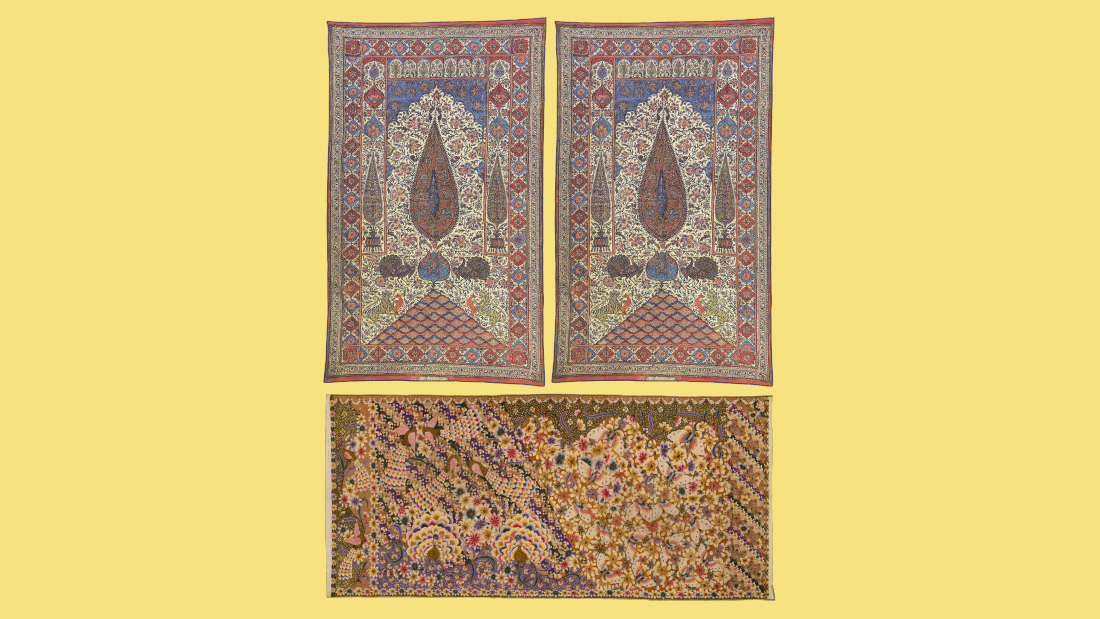
Image from top to bottom:
Pair of kalamkari hangings. Iran, 19th century. Cotton (block-printed and painted). On loan from the Islamic Arts Museum Malaysia.
Kain panjang (long cloth) (detail). Indonesia, Java, Pekalongan, 1940s. Cotton (drawn batik). Peranakan Museum
DISCOVER WHAT'S ON
Special Exhibition
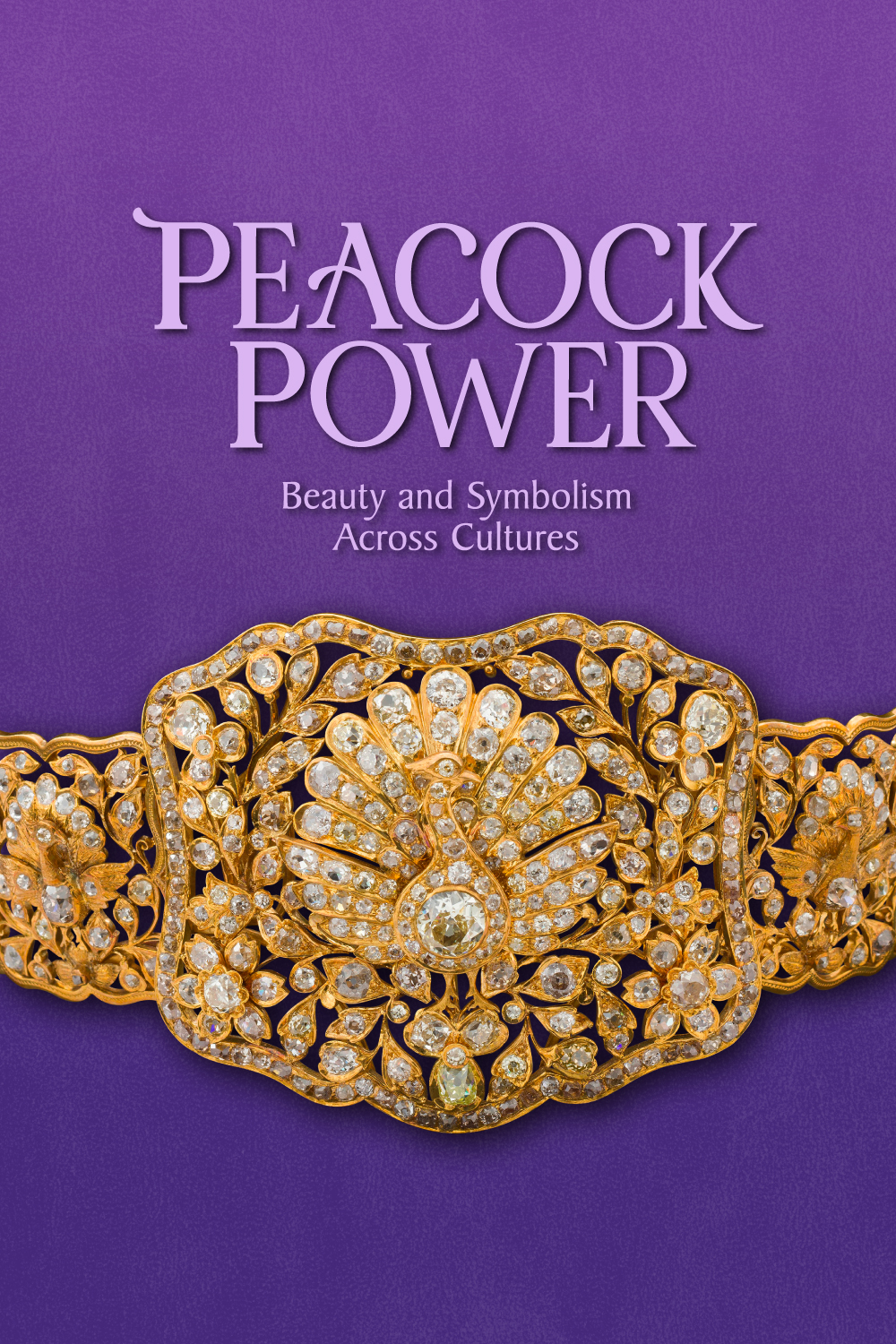
Peacock Power: Beauty and Symbolism Across Cultures
31 Oct 2025 – 30 Aug 2026
With its dazzling feathers and spectacular tail, the peacock has long symbolised beauty, power, and divinity across Asia. Its image travelled widely, inspiring sacred imagery, luxury ornament, and everyday adornment. Shaped by diverse cultural influences, Peranakan art provides an ideal starting point for this journey. Each object invites us to consider how a motif moved between regions and contexts, revealing the networks that connect peoples and how artistic traditions evolve through exchange.
DETAILS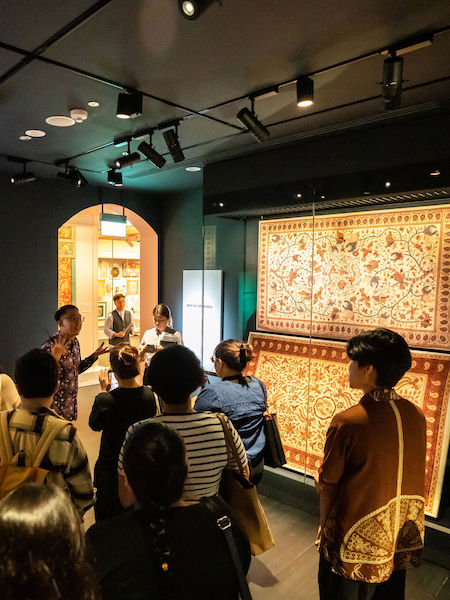
Programmes
Daily Guided Tours at Peranakan Museum
Daily
Guided tours led by our volunteer docents are available daily.
DETAILS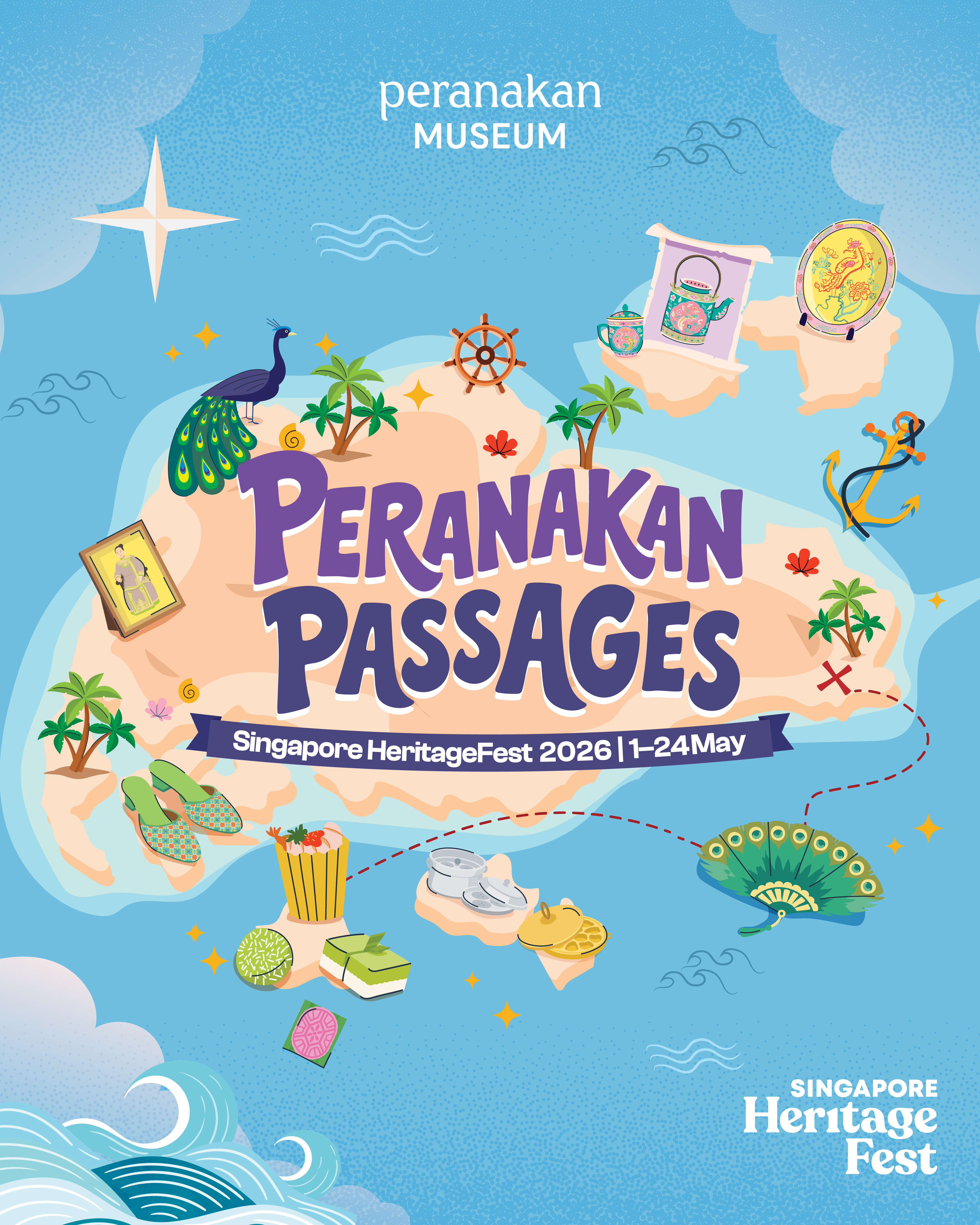
Programmes
Peranakan Passages: Singapore HeritageFest at Peranakan Museum
1–24 May 2026, Museum opening hours
Embark on a Peranakan maritime heritage adventure and discover stories of journeys across the seas and their cultural connections through an interactive trail. Along the way, explore a literary corner filled with captivating tales. Complete the trail to receive a special prize at the end of your voyage!
DETAILS